The science
TRUE BIOLOGY WORKS AS A LIVING SYSTEM.
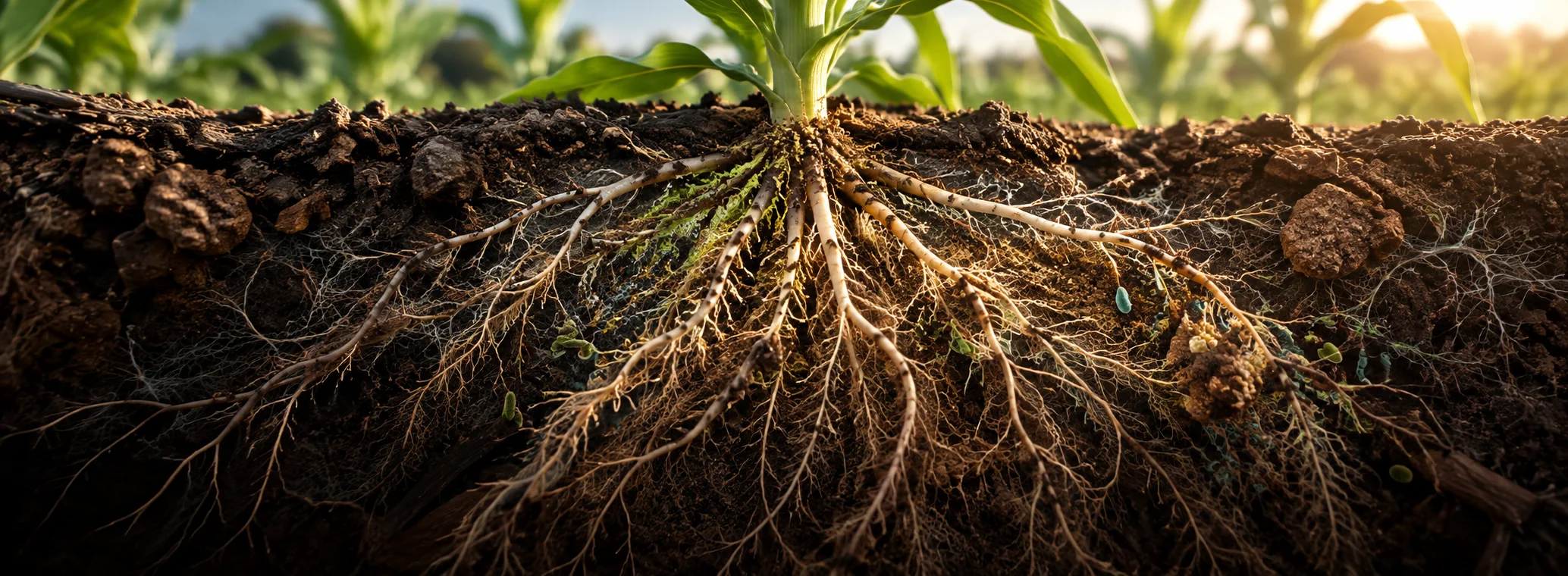
The rhizosphere is where roots, microorganisms, soil, water, nutrients, and biological processes interact. The TrueBiome System is designed around that living community rather than a single-organism pathway.
01 · The rhizosphere
Where the biology lives.
The rhizosphere is the biologically active zone surrounding plant roots — the interface where roots, microorganisms, nutrients, water, and soil conditions interact. It is a place, not a community: the rhizosphere is where the interaction happens, and a true biome is the diverse, interactive, functional community the TrueBiome System works to support within it.
What the root zone is made of
- Roots & root hairs
- The root surface and the fine hairs extending from it, reaching further into the soil for water and nutrients.
- Root exudates
- Sugars and compounds the plant releases into the soil, which feed and attract microorganisms around the root.
- Bacteria
- Bacteria that participate in releasing nutrients held in organic matter into plant-accessible forms.
- Fungi
- Fungi, including mycorrhizal associations with the root, that can extend the effective reach of the root system.
- Organic matter & nutrients
- Decomposing material and mineral nutrients held in the soil, many of which depend on microbial activity to become available.
- Water
- Water moving through soil pore spaces toward the root, carrying dissolved nutrients with it.
Described using established soil and plant biology — not proprietary claims.
02 · A community
Diverse. Interactive. Functional.
Healthy soil is not defined by one organism. Different organisms carry out different and overlapping functions, interacting as part of a biological community. The TrueBiome System is built around that perspective — bringing multiple scientifically selected organisms with complementary functions together around the root, within a program coordinated for the crop.
- Diversity
- Many kinds of organisms, not one.
- Interaction
- Members work in relationship with each other and the root.
- Functional overlap
- Different organisms can contribute to the same functions.
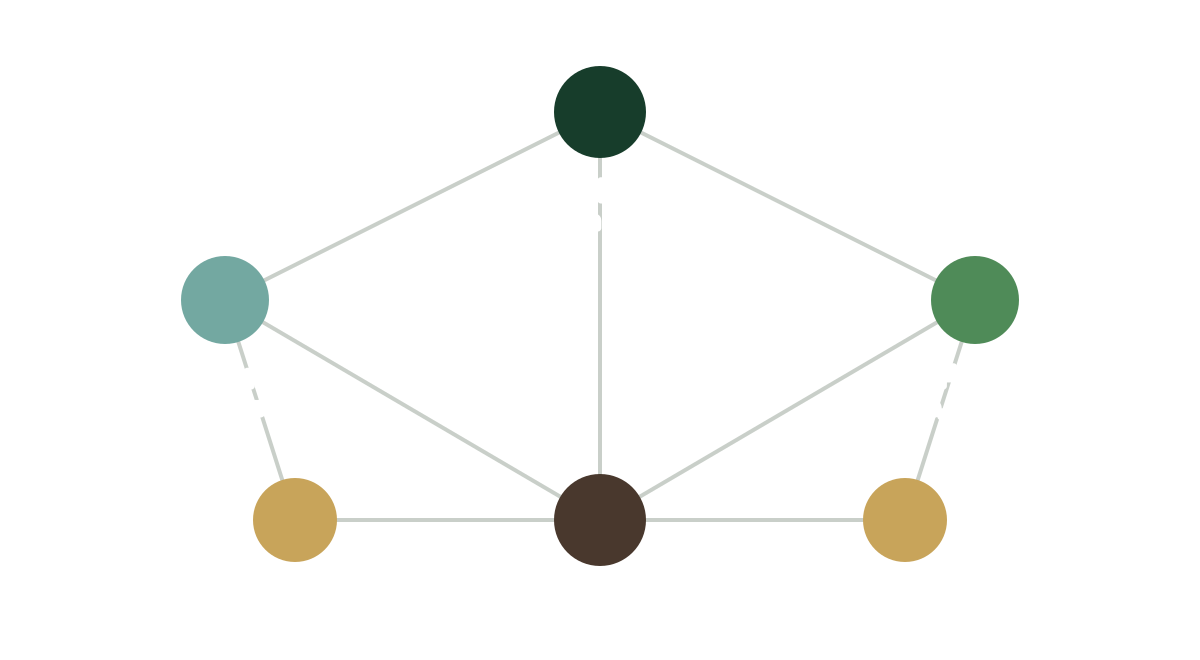
- Plant RootsCarbon source
- BacteriaRapid decomposers
- FungiHyphae, decomposition
- ProtozoaMicrobial grazers
- NematodesMultiple trophic roles
- Organic MatterResidues & carbon
03 · How the living system works
Five processes. One living community.
These five biological processes are studied separately. In a living root zone they occur in the same place, at the same time, within the same community — and they interact with one another. None of them is a step that causes the next.
A living root-zone biological system
- Established science
- What peer-reviewed research describes about plant–microbe and microbial biology. Every claim in this register is cited.
- TrueBiome design
- How the TrueBiome System® is built in light of that biology.
- Field evidence
- What has actually been measured in TrueBiome grower trials. That lives on the Results page, with each result's crop, location, comparison and limitations.
Interact
Rhizophagy
The exchange doesn't stop at the root surface.
Roots don't simply sit in soil absorbing what's dissolved around them. In the rhizophagy cycle — described by James F. White Jr. and colleagues at Rutgers University — certain bacteria alternate between two lives: free-living in the soil, and inside the cells of young root tissue.
While they are inside, the plant recovers nutrients from them. Many of those bacteria then exit again at the growing tips of root hairs and return to the soil, where the cycle can begin again.
Fig. 5 · Microbes inside root cells
Fig. 12 · Wall-less forms in root-cap cells
Fig. 13 · Bacteria within a root hair
Fig. 9 · Emerging at root-hair tips
Why it matters
Nutrient exchange between plant and microbe is not only something that happens in the soil around a root. In the described cycle it happens inside living root tissue, repeatedly, through the season.
It is one of the clearest reasons the biology immediately surrounding a root matters as much as what is dissolved in the soil water.
TrueBiome connection
The TrueBiome System® is designed to establish a diverse, crop-specific biological community in close association with the root — the biological environment where rhizophagy and other direct plant–microbe interactions occur.
Deeper science
In the described cycle, bacteria are drawn to the root-tip meristem and taken into root cells. Inside, they lose their cell walls and persist as wall-less forms, where they are exposed to reactive oxygen species produced by the plant. That oxidative exposure releases nutrients from the microbial cells in forms the plant can take up. Surviving bacteria move into the elongating root hairs, exit at the root-hair tips, rebuild their cell walls and return to the rhizosphere.
The cycle is presented in the literature as both a route for nutrient acquisition and a dynamic partnership. Related work describes plants acquiring nutrients directly from microbial cells, and seed-vectored endophytic bacteria influencing seedling development — evidence that the plant–microbe relationship extends into root tissue rather than stopping at its surface.
The described mechanism, step by step
- Root exudates attract and support microorganisms at the root surface; those microbes acquire nutrients from the surrounding soil.
- Bacteria are drawn to the root-tip meristem and taken into young root tissue.
- Inside root cells the bacteria lose their cell walls and are exposed to plant-produced reactive oxygen species.
- Nutrients are released from the microbial cells and taken up by the plant.
- Surviving bacteria move to the elongating root hairs, exit at the tips, rebuild their walls and re-enter the rhizosphere.
Selected references (4)
- White, J. F., Kingsley, K. L., Verma, S. K. & Kowalski, K. P. (2018). Rhizophagy cycle: an oxidative process in plants for nutrient extraction from symbiotic microbes. Microorganisms 6(3), 95. doi:10.3390/microorganisms6030095 (opens in a new tab)
- Verma, S. K., Kingsley, K., Irizarry, I., Bergen, M., Kharwar, R. N. & White, J. F. (2017). Seed-vectored endophytic bacteria modulate development of rice seedlings. Journal of Applied Microbiology 122(6), 1680–1691. doi:10.1111/jam.13463 (opens in a new tab)
- Chang, X., Kingsley, K. L. & White, J. F. (2021). Chemical interactions at the interface of plant root hair cells and intracellular bacteria. Microorganisms 9(5), 1041. doi:10.3390/microorganisms9051041 (opens in a new tab)
- Paungfoo-Lonhienne, C., Rentsch, D., Robatzek, S., Webb, R. I., Sagulenko, E., Näsholm, T., Schmidt, S. & Lonhienne, T. G. A. (2010). Turning the table: plants consume microbes as a source of nutrients. PLoS ONE 5(7), e11915. doi:10.1371/journal.pone.0011915 (opens in a new tab)
Communicate
Quorum Sensing
Bacteria communicate through chemical signals — and coordinate their behavior as populations grow.
Published research microscopy. Confocal imaging of GFP-labelled bacteria colonising tomato roots — an uninoculated control above, colonised roots below, each beside its brightfield view. The organism shown produces the acyl-homoserine lactone signals described here. From Poonguzhali, S.; Kim, K.; Madhaiyan, M.; Sa, T. (2025). The plant growth-promoting Burkholderia vietnamiensis produces acyl-homoserine lactones and modulates the quorum-sensing signaling in the rhizosphere. Frontiers in Microbiology 16:1638793, CC BY 4.0. Panel A of figure 5; labels, arrows and scale bars as published.
Some things a bacterial population does are only worth doing if enough cells do them at the same time. Quorum sensing is how a population works that out.
Individual cells continuously release small signal molecules into their surroundings. As the population grows, those signals accumulate. Above a threshold concentration, the cells respond together, coordinating changes in gene expression across the population.
Behaviors described as quorum-regulated include:
- Root colonization
- Biofilm formation
- Motility
- Nutrient acquisition
- Secondary metabolite production
Much of what determines whether an organism can establish and persist around a root at all.
A microbiome isn't just a collection of organisms. It's a community that communicates.
Low cell density
Signals disperse faster than they build up.
Signals accumulate
More cells, more signal in the surrounding space.
Threshold
Signal concentration passes the level cells respond to.
Coordinated response
Attachment, biofilm formation, colonization.
Bacterial cellSignal molecule
Why it matters
Whether biology works around a root is not only a question of which organisms are present. These are population-level behaviors that depend on signaling between cells:
- Attaching to a root surface
- Forming a biofilm
- Moving toward an exudate
TrueBiome connection
The TrueBiome System® is designed around more than the presence of individual organisms. It is built to establish a diverse, scientifically selected community in close association with the root, and to maintain it as the crop develops — the conditions under which microbial populations can establish, interact and coordinate.
Deeper science
The signal molecules differ by group. Many Gram-negative bacteria use N-acyl homoserine lactones, produced by LuxI-type synthases and bound by LuxR-type regulatory proteins; many Gram-positive bacteria use modified oligopeptides. Some systems use signals that function across species, allowing populations to respond to the density of the wider community and not only their own kind.
Once a signal binds its regulatory protein, transcription of the regulated gene set changes across the population more or less simultaneously — which is what makes the response coordinated rather than merely simultaneous.
Research also describes plants perceiving bacterial quorum-sensing molecules and responding with changes in their own gene expression, which makes quorum sensing a point of contact between the two kingdoms rather than a purely microbial affair. Recent work has characterized acyl-homoserine lactone production and quorum-sensing modulation by plant growth-promoting rhizosphere bacteria specifically.
The described mechanism, step by step
- Each cell continuously releases small signal molecules into its surroundings.
- As the population grows, the local concentration of those signals rises.
- Above a threshold concentration, signals bind regulatory proteins inside the cells.
- Changes in gene expression are coordinated across the population.
- Population-level behavior follows: attachment, biofilm formation, colonization.
Selected references (5)
- Fuqua, W. C., Winans, S. C. & Greenberg, E. P. (1994). Quorum sensing in bacteria: the LuxR–LuxI family of cell density-responsive transcriptional regulators. Journal of Bacteriology 176(2), 269–275. doi:10.1128/jb.176.2.269-275.1994 (opens in a new tab)
- Miller, M. B. & Bassler, B. L. (2001). Quorum sensing in bacteria. Annual Review of Microbiology 55, 165–199. doi:10.1146/annurev.micro.55.1.165 (opens in a new tab)
- Hartmann, A., Rothballer, M., Hense, B. A. & Schröder, P. (2014). Bacterial quorum sensing compounds are important modulators of microbe–plant interactions. Frontiers in Plant Science 5, 131. doi:10.3389/fpls.2014.00131 (opens in a new tab)
- Whiteley, M., Diggle, S. P. & Greenberg, E. P. (2017). Progress in and promise of bacterial quorum sensing research. Nature 551, 313–320. doi:10.1038/nature24624 (opens in a new tab)
- Poonguzhali, S., Kim, K., Madhaiyan, M. & Sa, T. (2025). The plant growth-promoting Burkholderia vietnamiensis produces acyl-homoserine lactones and modulates the quorum-sensing signaling in the rhizosphere. Frontiers in Microbiology 16, 1638793. doi:10.3389/fmicb.2025.1638793 (opens in a new tab)
Signal
Plant Signaling & Gene Expression
The plant already has the tools. Biology influences when it uses them.
This is gene expression — which of the plant's own genes are switched on or off — not a change to the plant's DNA.
- Microbe, outside the root
- The plant's own signalling molecules
- Gene actively read
- The same DNA, unchanged along its length
Roots are not silent. They release sugars, amino acids, organic acids and specific signaling compounds into the few millimeters of soil around them, and the microorganisms living there respond with signals of their own.
Plants carry receptors that recognize molecules produced by, or carried on, microbial cells. That recognition sets off a chain of events inside the root cell that reaches the nucleus and changes which of the plant's own genes are being read, and how strongly.
Documented responses include:
- Shifts in root architecture
- Altered expression of nutrient-transporter genes
- Changes in hormone signaling that influence growth and stress response
Fig. 2D · Colonising the root tip
Fig. 2E · Inside root tissue
Why it matters
The same plant, carrying the same genome, can express genes differently in response to its biological environment. That is one reason the root-zone community matters to plant function.
TrueBiome connection
The TrueBiome System® is designed to establish scientifically selected, crop-specific biology in close association with the root, and to maintain it as the crop develops — the biological environment in which microbial signals and plant responses can occur.
Deeper science
Perception begins at the root cell surface, where receptor proteins recognize conserved microbial molecules. Recognition is transduced inward through well-characterized routes: changes in cytosolic calcium, production of reactive oxygen species as second messengers, and mitogen-activated protein kinase (MAPK) cascades. These converge on transcription factors that alter which genes are read in the nucleus.
Downstream, hormone signaling is substantially involved — auxin in particular in the root-architecture responses, alongside ethylene and jasmonate signaling. Published work on beneficial rhizobacteria describes altered lateral-root and root-hair development, changes in nutrient-transporter expression, and modulation of endogenous root developmental programs.
None of this alters the plant's genome. It changes which of the genes the plant already carries are transcribed, and how strongly.
The described mechanism, step by step
- Microbial signal — a molecule produced by or carried on a microbial cell reaches the root surface.
- Root recognition — a plant receptor perceives it.
- Cellular signal — calcium, ROS and kinase cascades carry the message inward.
- Nucleus — transcription factors change which genes are read.
- Plant response — shifts in root growth, nutrient transport and stress response.
Selected references (4)
- Oldroyd, G. E. D. (2013). Speak, friend, and enter: signalling systems that promote beneficial symbiotic associations in plants. Nature Reviews Microbiology 11, 252–263. doi:10.1038/nrmicro2990 (opens in a new tab)
- Zamioudis, C., Mastranesti, P., Dhonukshe, P., Blilou, I. & Pieterse, C. M. J. (2013). Unraveling root developmental programs initiated by beneficial Pseudomonas spp. bacteria. Plant Physiology 162(1), 304–318. doi:10.1104/pp.112.212597 (opens in a new tab)
- Verbon, E. H. & Liberman, L. M. (2016). Beneficial microbes affect endogenous mechanisms controlling root development. Trends in Plant Science 21(3), 218–229. doi:10.1016/j.tplants.2016.01.013 (opens in a new tab)
- Poupin, M. J., Timmermann, T., Vega, A., Zuñiga, A. & González, B. (2013). Effects of the plant growth-promoting bacterium Burkholderia phytofirmans PsJN throughout the life cycle of Arabidopsis thaliana. PLoS ONE 8(7), e69435. doi:10.1371/journal.pone.0069435 (opens in a new tab)
Connect
Plant-to-Plant Signaling
Information can move beyond a single plant.
A plant responds to its own environment — but not only to its own environment. Published research describes several routes by which biological information moves from one plant to another:
- Chemical signals released into the root zone
- Volatile compounds released above ground
- Common mycorrhizal networks, where they form
Common mycorrhizal networks are fungal hyphae that colonize and interconnect the root systems of neighboring plants.
Root-zone signaling has been demonstrated between plants with no fungal connection at all: in one well-known experiment, unstressed plants relayed a stress cue from a stressed neighbor onward to their own unstressed neighbors, through the roots.
Where mycorrhizal networks do form, recent experimental work in tomato demonstrated movement of the signaling hormone jasmonic acid through the network from donor plants to connected receivers, producing measurable downstream responses — changes in what the receiver plants released from their roots, and in how the microbial community assembled around them.
Common mycorrhizal networks do not form everywhere. Their extent depends on the crop, the fungi present, and the soil.
Chemical signalSignal moving through the network
Why it matters
A crop is a population, not a collection of independent individuals. Where information moves between plants, the biological condition of the root zone is part of what is being communicated — and the rhizosphere community is part of what responds to it.
TrueBiome connection
The TrueBiome System® is designed to establish biologically active, crop-specific conditions around the root — conditions in which plant, microbial and fungal interactions can occur. What information moves between plants in any particular field depends on the crop, the soil, and the organisms present.
Deeper science
Below-ground signaling between plants has been demonstrated along more than one route. Root-mediated relay of stress cues has been shown in plants sharing soil without any fungal connection, with cues passing sequentially from plant to plant. Separately, common mycorrhizal networks form when the hyphae of shared fungal partners colonize and interconnect the roots of neighboring plants; net transfer of carbon between networked plants was demonstrated in the field in 1997, and the networks have since been described as conduits for signaling as well as for resources.
The 2025 tomato work is the most direct experimental demonstration to date of a specific signaling hormone moving through such a network and producing measurable biological consequences in the receiving plant, including altered root exudation and altered rhizosphere microbiome assembly.
Above ground, volatile organic compounds released by one plant and perceived by another are a separate and well-established route with its own literature.
The described mechanism, step by step
- Signal produced — a plant releases a chemical or volatile signal.
- Transfer — the signal moves by root exudate, by a mycorrhizal network where one is present, or as a volatile above ground.
- Perception — a neighboring or connected plant detects it.
- Response — gene expression, hormone and metabolite changes in the receiving plant.
- Community effect — shifts in root exudation and in rhizosphere community assembly.
Selected references (5)
- Zhang, X., Jin, X., Li, J., Dini-Andreote, F., Li, H., Khashi u Rahman, M., Du, M., Wu, F., Wei, Z., Zhou, X., van der Heijden, M. G. A. & Rillig, M. C. (2025). Common mycorrhizal networks facilitate plant disease resistance by altering rhizosphere microbiome assembly. Cell Host & Microbe 33(10), 1765–1778.e7. doi:10.1016/j.chom.2025.08.016 (opens in a new tab)
- Lee, S.-J., Wang, L. & Orlovskis, Z. (2026). Harnessing plant-to-plant signalling via common mycorrhizal networks for enhanced community-level resistance in crops. Journal of Experimental Botany 77(15), 4812–4828. doi:10.1093/jxb/erag159 (opens in a new tab)
- Falik, O., Mordoch, Y., Quansah, L., Fait, A. & Novoplansky, A. (2011). Rumor has it…: relay communication of stress cues in plants. PLoS ONE 6(11), e23625. doi:10.1371/journal.pone.0023625 (opens in a new tab)
- Simard, S. W., Perry, D. A., Jones, M. D., Myrold, D. D., Durall, D. M. & Molina, R. (1997). Net transfer of carbon between ectomycorrhizal tree species in the field. Nature 388, 579–582. doi:10.1038/41557 (opens in a new tab)
- Heil, M. & Karban, R. (2010). Explaining evolution of plant communication by airborne signals. Trends in Ecology & Evolution 25(3), 137–144. doi:10.1016/j.tree.2009.09.010 (opens in a new tab)
Adapt
Horizontal Gene Transfer
Diversity gives a microbial community more ways to adapt.
Microbial gene exchange — not a change to the plant's genome.
Bacteria don't only inherit genes from a parent cell. Published research describes three well-characterized routes by which genetic material moves sideways between microorganisms living alongside one another:
- Transformation — a cell takes up free DNA from its surroundings
- Conjugation — two cells make contact and a plasmid is copied across
- Transduction — a virus carries DNA from one bacterial host to the next
Horizontal gene transfer is well documented in soil and rhizosphere microbial communities, and the traits that move can include the ability to use a new carbon source, tolerate a stress, or produce a different metabolite.
It is worth being precise about what this does and does not mean. Gene exchange generates variation within a microbial population. It is not a response to demand: environmental conditions do not instruct an organism which genes to acquire. Exchange creates variation, and selection acts on the variation that is already there.
Three routes, any of which may occur
Conjugation
Two cells make contact and a plasmid is copied across.
Transformation
A cell takes up free DNA from its surroundings.
Transduction
A virus carries DNA from one bacterial host to the next.
Donor cellRecipient cellGenetic material
Genetic variation
More versions of more traits within the population.
Environmental selection
Conditions favour some of that existing variation.
Community adaptation
What the community can do shifts over time.
Exchange creates variation. Selection acts on the variation that is already there — conditions do not instruct an organism which genes to acquire.
Why it matters
A diverse microbial community carries a wider range of functions to begin with, and mechanisms that generate further variation over time. That is part of why a biologically diverse root zone can shift as field conditions change through a season, rather than staying fixed.
TrueBiome connection
The TrueBiome System® brings diverse, scientifically selected, crop-specific microorganisms together in the root-zone community — different organisms contributing different functions and different genetic capabilities within one living community around the root.
TrueBiome does not cause, direct or accelerate gene transfer between microorganisms. That is a natural process in soil, described here because it is part of why microbial diversity matters.
Deeper science
In transformation, a competent cell takes up extracellular DNA released into its environment and may recombine it into its chromosome. In conjugation, a plasmid encoding its own transfer machinery moves between cells in direct contact; conjugative plasmid transfer has been characterized specifically in the plant rhizosphere. In transduction, a bacteriophage packages host DNA and delivers it to a subsequent host.
Acquired material is either recombined into the chromosome or maintained extrachromosomally as a plasmid. Whether the recipient retains it depends on whether it confers an advantage under the conditions the population is actually experiencing — which is where selection, not the exchange itself, does the work.
Barriers to transfer are as well documented as the routes: restriction–modification systems, surface exclusion, and incompatibility all constrain what moves and where it persists. Horizontal gene transfer is a real and significant force in bacterial evolution, and a bounded one.
The described mechanism, step by step
- Genetic material becomes available — free DNA, a plasmid, or a phage particle.
- Uptake by transformation, conjugation or transduction.
- Recombination into the chromosome, or maintenance as a plasmid.
- The recipient expresses the acquired trait — adding to the variation present in the population.
- Where the trait is advantageous under prevailing conditions, selection increases its frequency.
Selected references (4)
- Ochman, H., Lawrence, J. G. & Groisman, E. A. (2000). Lateral gene transfer and the nature of bacterial innovation. Nature 405, 299–304. doi:10.1038/35012500 (opens in a new tab)
- Thomas, C. M. & Nielsen, K. M. (2005). Mechanisms of, and barriers to, horizontal gene transfer between bacteria. Nature Reviews Microbiology 3, 711–721. doi:10.1038/nrmicro1234 (opens in a new tab)
- Soucy, S. M., Huang, J. & Gogarten, J. P. (2015). Horizontal gene transfer: building the web of life. Nature Reviews Genetics 16, 472–482. doi:10.1038/nrg3962 (opens in a new tab)
- Riva, F., Dechesne, A., Eckert, E. M., Riva, V., Borin, S., Mapelli, F., Smets, B. F. & Crotti, E. (2024). Conjugal plasmid transfer in the plant rhizosphere in the One Health context. Frontiers in Microbiology 15, 1457854. doi:10.3389/fmicb.2024.1457854 (opens in a new tab)
04 · What the community contributes
What a community
like this
contributes.
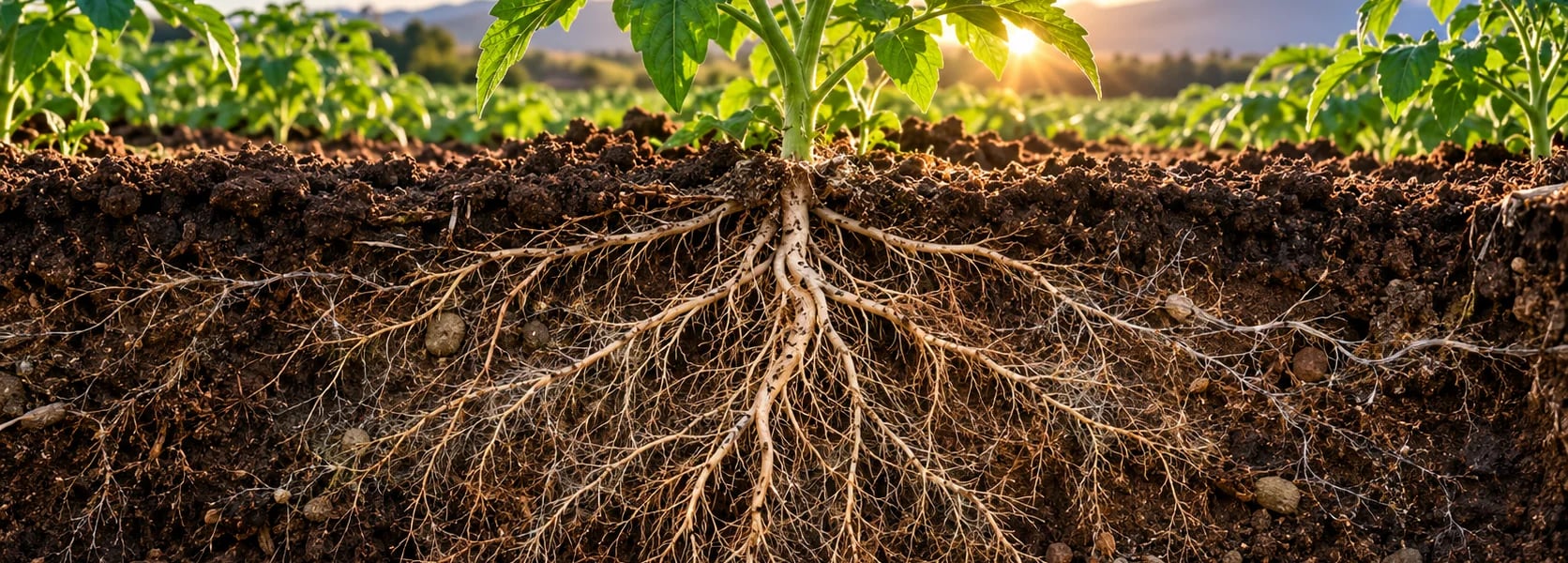
Five processes. Many organisms. Many functions. A living root-zone community can contribute through several biological pathways at once.
These functional domains are not a one-to-one translation of the five processes above — they are what a working community contributes to, not a restatement of how it works. Explore each domain, one at a time.
Functional domains shown reflect general root-zone biology; every public pathway label is audited against evidence before use.
05 · Through the root zone
Biology participates in nutrient cycling.
Soil microorganisms participate in transforming organic material and nutrients. Those processes can influence which nutrients are present in plant-accessible forms and how the rhizosphere functions.
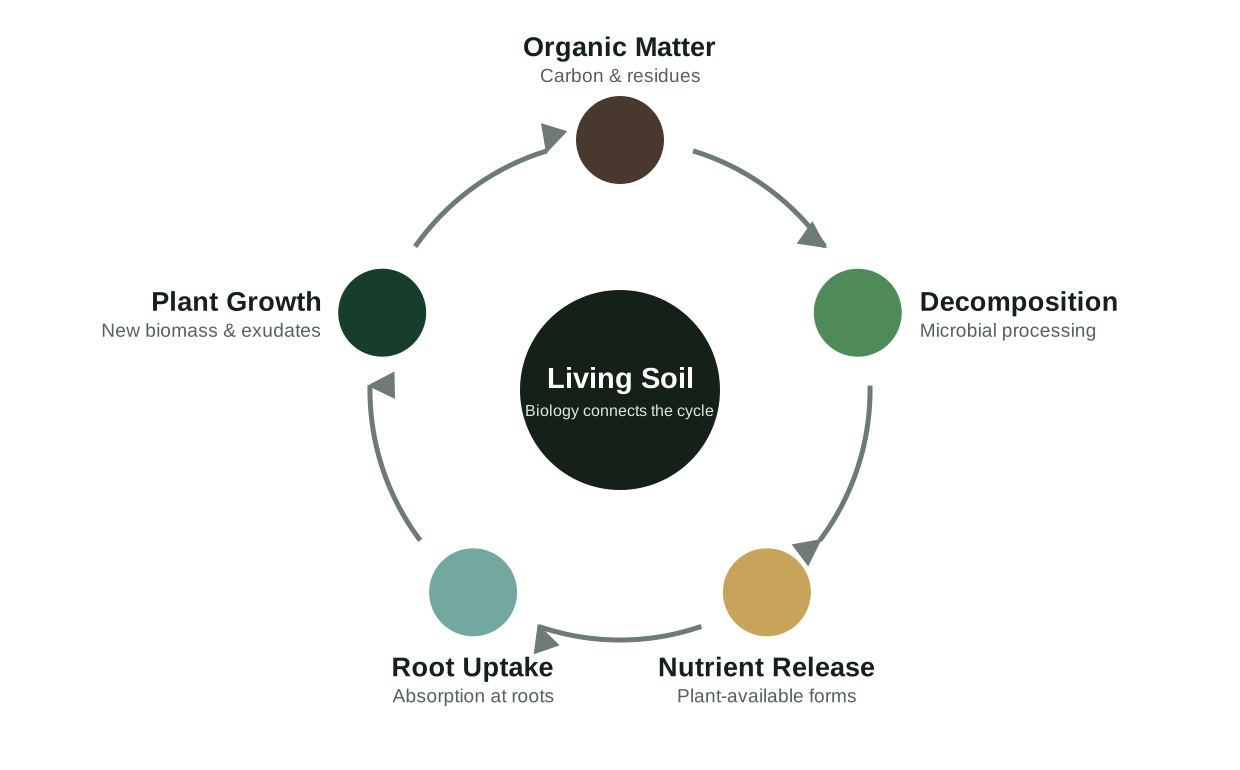
- Organic MatterCarbon & residues
- DecompositionMicrobial processing
- Nutrient ReleasePlant-available forms
- Root UptakeAbsorption at roots
- Plant GrowthNew biomass & exudates, returning to organic matter
06 · Through time
Establish. Reinforce. Measure.
Because a biological community establishes and changes over a season, the TrueBiome System treats biology as a crop-specific program rather than a single application. The program is introduced at the earliest appropriate stage; where the program calls for it, further components or applications follow as the crop and conditions develop; and what happened is evaluated under field conditions.
- ESTABLISH — introduce the crop-specific program at the earliest appropriate stage
- REINFORCE — where the program calls for it, as the crop and conditions develop
- MEASURE — evaluate what happened under field conditions
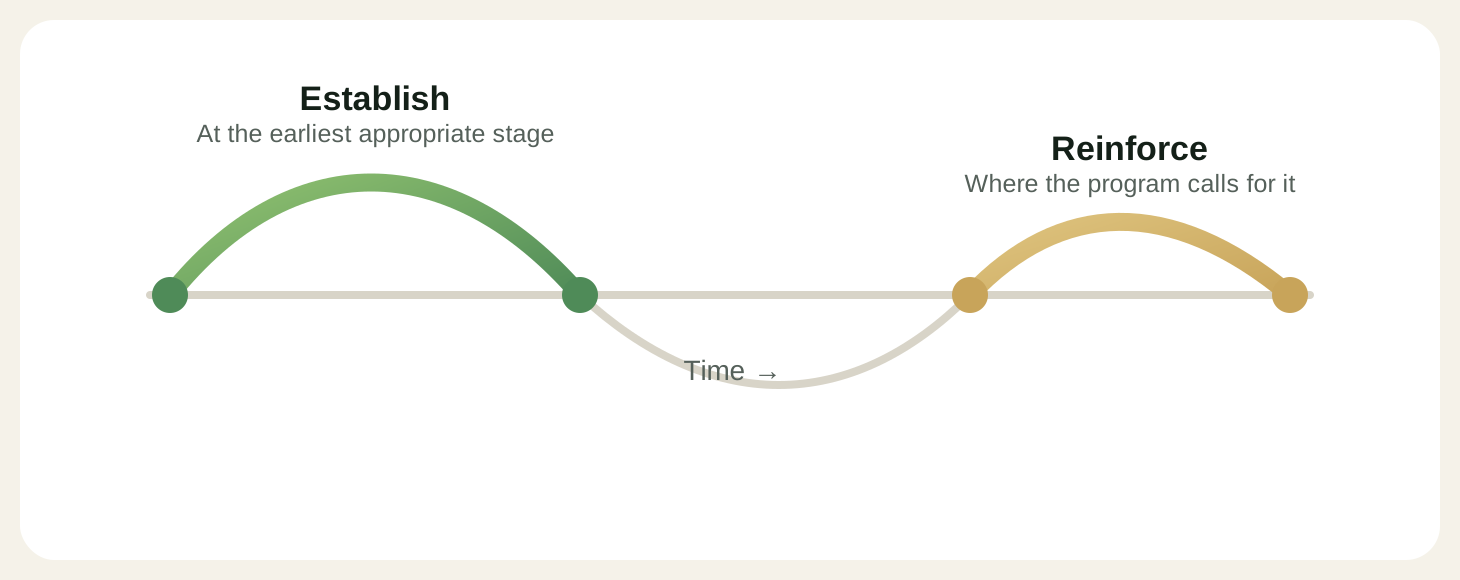
- 1. Establish
- Introduce and position the biological community.
- 2. Allow interaction
- Give the root-zone community time to develop.
- 3. Reinforce
- Support continuity as field conditions change.
Timing within an individual crop program. Components and timing vary by crop and production system — this is not a fixed sequence applied to every program.
This page explains the scientific rationale — what published research describes about how roots and microorganisms interact, and how the TrueBiome System is designed in light of it. Biological plausibility is not field efficacy. TrueBiome field outcomes — with their crop, location, comparison and limitations — live on the Results page.
22 peer-reviewed references cited across the five processes
For researchers
Interested in studying TrueBiome?
We welcome conversations with universities, researchers, independent trial partners, and agricultural organizations interested in field evaluation.
Discuss Research Collaboration