TrueBiomeSystem · by Green As It Gets

The method

The Right Biology. Coordinated for the Crop.

How organisms are selected and combined, and how that biology is coordinated and timed within a crop-specific program.

  • Select
  • Combine
  • Establish
  • Reinforce
  • Support

Why this is harder than it sounds

A Useful Organism Isn't the Same as a Working Community.

Selecting individual organisms is only part of the work. The TrueBiome approach also considers different functions, compatibility, coordination and timing within the crop-specific program.

Compatibility

Some organisms compete for the same resources instead of complementing each other.

Viability

An organism that doesn't survive handling and application never gets the chance to matter.

Timing

The same organism can help early in root development and do nothing later.

Environment

Soil conditions, weather, and management all shape whether a community takes hold.

The method, in full

Five Stages. One Coordinated Approach.

1

Select

Every organism starts as a candidate, not a given. Selection means asking what job it does, and whether it does that job reliably in field conditions — not just in a petri dish.

2

Combine

Not every useful organism works well with every other. Combining means testing compatibility first — which organisms compete for the same resources, and which genuinely support each other.

3

Establish

The earliest stage of root development sets the tone for everything after it. This is when the biological community needs to take hold — before conditions in the root zone start working against it.

4

Reinforce

As the plant grows, its needs change and so does the root environment. Reinforcement means adding complementary biology at the right moment, not on a fixed calendar.

5

Support

A living community needs ongoing conditions it can function in — water, organic matter, and management practices that don't work against what's already been established.

Components Within the Program.

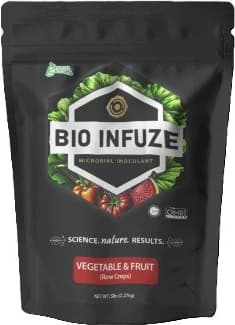
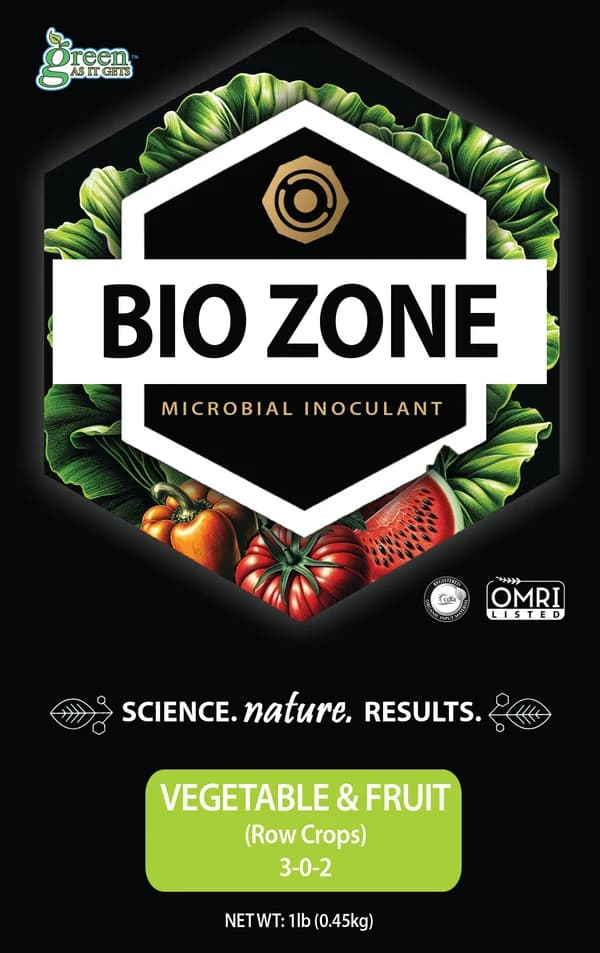
TrueBiome programs can draw from different biological formulations and program components depending on the crop, production system and root-zone environment. BioInfuze and BioShield are biostimulant products registered in California and other states, and both are OMRI Listed® and CDFA OIM registered for organic production. BioZone is a microbial inoculant registered as a fertilizer. The components shown here are examples of tools that may be used within a crop-specific TrueBiome program.

BioInfuze Vegetable & Fruit stand-up pouch, front of pack

BioInfuze

Biological Community Formulation

Being evaluated for

  • Designed to support root establishment
  • Intended to support rhizosphere colonization
  • Designed to support biological diversity
  • Intended to support nutrient accessibility
  • Being evaluated for early plant vigor

Intended for application at the earliest stage of root development, BioInfuze is designed to help establish a selected community of beneficial organisms in the root zone.
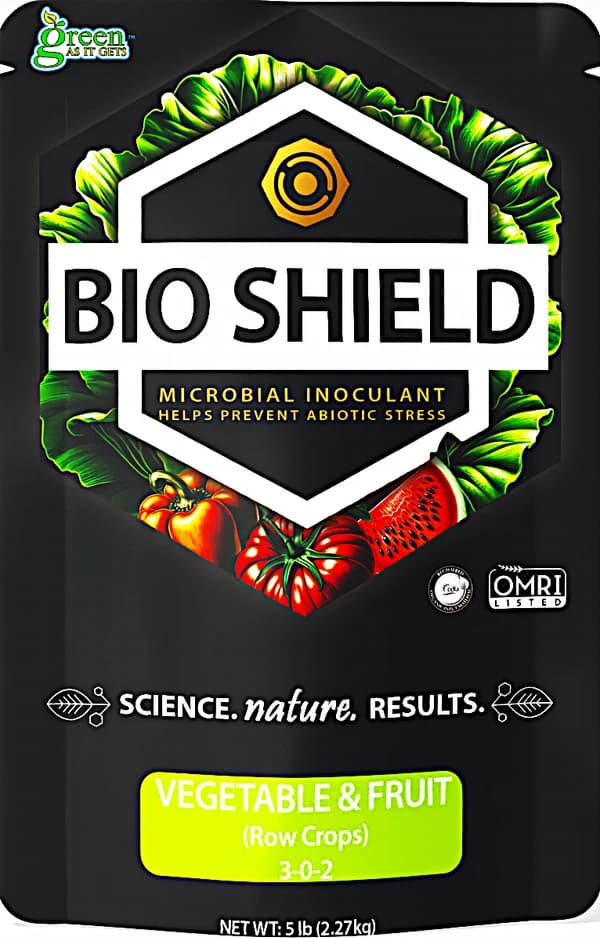
BioShield Vegetable & Fruit pouch, front of pack

BioShield

Program Component

Being evaluated for

  • Intended to support continued biological diversity
  • Designed to reinforce the rhizosphere
  • Being evaluated for plant resilience
  • Intended to support continued root-zone activity

Intended for application as the plant develops, BioShield is designed to help support an established root-zone community as conditions change through the season.

BioZone Vegetable & Fruit (Row Crops) label, front of pack

BioZone

Root-Zone Biological Component

From the registered label

  • Supports water and nutrient availability in the root zone
  • Supports the root's ability to absorb water and nutrients
  • Supports plant growth and vigor
  • Supports tolerance to environmental stress
  • Five-species Bacillus microbial formulation

BioZone is a microbial inoculant registered as a fertilizer, and may be incorporated into a crop-specific TrueBiome program where its biological functions fit the crop, production system and program design.

See how the TrueBiome System is organized →

Field reality matters

The Approach Is Intentional. The Field Still Matters.

Soil, weather, irrigation and management all shape whether a biological community takes hold. The method is built to give it the best possible start — not to override the field it's planted in, which is why programs are evaluated under real production conditions.